Danube Delta
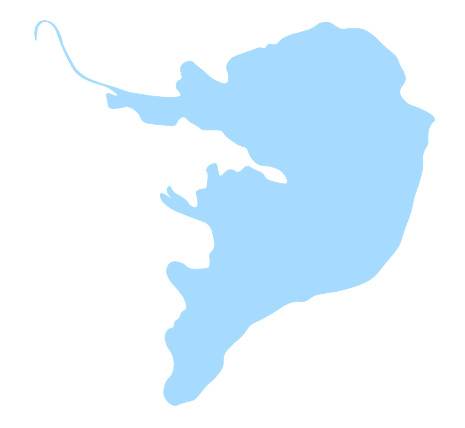
Located in the easternmost part of the European Union, the Danube Delta is Europe’s largest natural delta, the only delta of a river entirely nestled within a UNESCO biosphere reserve while also being a UNESCO World Heritage site, a Ramsar site, and part of the Natura 2000 network. It is a vast, low alluvial plain with an intricate network of channels, lakes, and reed beds, home to extraordinary biodiversity, hosting over 10,000 species of flora and fauna, including 312 bird species and 90 fish species. The delta constitutes Europe’s most extensive water purification system and a critical habitat for several endangered species. Equally fascinating is its cultural diversity, as the Delta is home to a rich mosaic of ethnic groups, including Romanians, Russian Lipovans, Ukrainians, Roma, Greeks, Turks, and Bulgarians, each group with distinctive traditions and livelihoods closely intertwined with the Delta’s unique ecological processes.
Atlantic Ocean
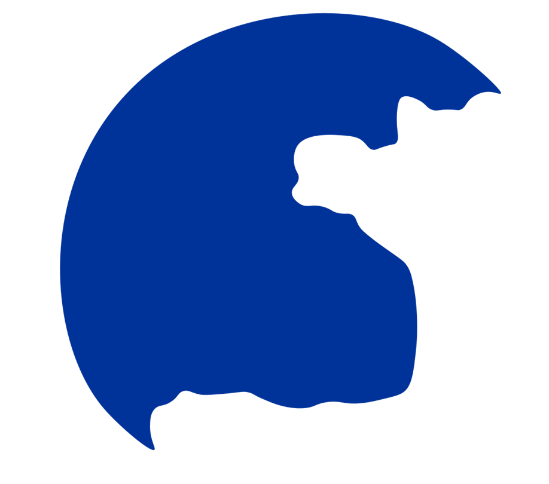
The Atlantic Ocean is the second largest ocean covering approximately one-fifth of Earth’s surface. The Bay of Biscay and the Iberian Coast ecoregion covers the southwestern shelf seas and adjacent deeper eastern Atlantic Ocean waters of the EU. France has access to multiple basins, but the Atlantic is the most productive for fisheries. Significance of the fisheries sector for both socio-economics and ecology. The commercial fisheries in the ecoregion target a wide variety of stocks, resulting in a diverse and spatially varied fishing industry. In France, there are around 1500 vessels operating in the area, representing more than 4000 fishers. In 2022, 49 species contributed to 95% of the total volumes landed in the Atlantic. In Spain there are around 4750 vessels mainly in northern Spanish waters. The fleet comprises artisanal vessels, trawlers, purseseiners, demersal longliners, and gillnetters. France has a national target of 40 GW by 2050 for marine renewables (18 GW of new projects by 2033, and a further 14 GW by 2050). The Atlantic France region is leading the way, with the only French wind farm to date located off Saint-Nazaire. On the coast of the Atlantic France region, this goal should result in several new wind farms being allocated over the coming decade. In Spain, new offshore wind projects are expected to have capacity factors of over 40% in moderate wind conditions and over 50% in areas with high quality wind resource, reaching capacity factors comparable to other forms of fossil generation that do not depend on the availability of a variable resource. The average size of turbines used in offshore wind farms increased from 3 MW in 2010 to 5.5 MW for projects completed in 2018. New turbines of 10-12 MW will be able to achieve capacity factors well above 50% and prototypes under development will have an output of between 15-20 MW for offshore installation projects in 2025-2030.
Mediterranean Sea
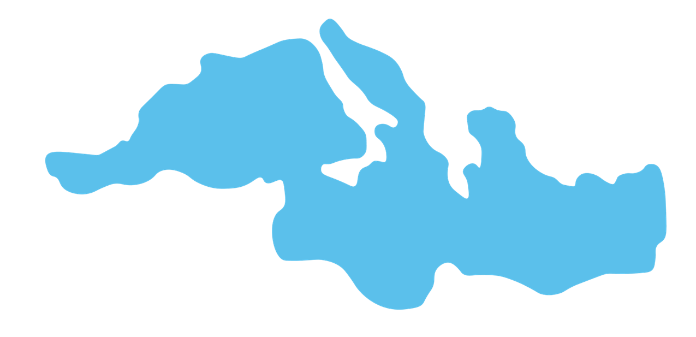
The Mediterranean Sea is a semi-enclosed sea with a mosaic of habitats supporting a rich biodiversity with a high level of endemism. Transitioning from temperate in the north to subtropical in the south, the western and eastern basins are distinct in both oceanographic and biogeographic terms. Its proximity to densely populated areas, the fact that it is the world’s leading tourist destination and the historical importance of the Mediterranean as a trade route have made it particularly vulnerable to the effects of human activity. Particularly exposed to strong heatwave events and marine bioinvasions, the Mediterranean is one of the world’s marine hotspots for global change. Despite these challenges, efforts are underway to conserve its biodiversity and sustainably manage its resources, recognizing the Mediterranean Sea’s importance not only for its ecological value but also for the livelihoods and cultural heritage of the coastal populations.
Baltic Sea
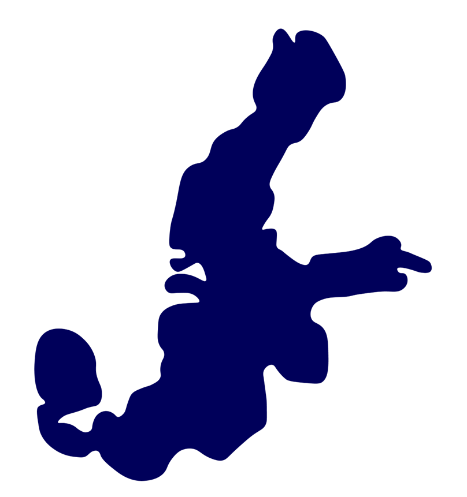
The Baltic Sea is a semi-enclosed sea and the world’s largest brackish water basin. Due to low salinity and large environmental gradients, it is relatively species poor, and many organisms live at the limits of their environmental tolerance making the ecosystem especially vulnerable. The catchment area is large, and nutrient inflows from land, together with the bathymetry and the strong two-layered structure of the water column have resulted in persistent eutrophication and widespread hypoxia. The human influence on the sea is strong and can be roughly split into activities related to food production, energy production, transport and other industry. The economic value of Baltic fisheries is relatively low and the main commercial fish stocks, cod and herring, are currently struggling. However, fishing has cultural significance. Climate change is expected to hit the region particularly hard, resulting in e.g. changes in ice conditions, increased heat waves, continued persistent hypoxia and challenges in fish recruitment (e.g. cod).